
Physical Therapy Trends & Outlook in 2025
Introduction
The world of physical therapy is constantly evolving — and 2025 is bringing some exciting innovations that promise to reshape how therapists help patients heal, move, and thrive. With advances in technology, growing emphasis on neurological rehabilitation, and a deeper understanding of the body’s capacity for change, today’s physical therapists are better equipped than ever to address both the physical and neurological aspects of recovery.
Whether you’re a therapist, clinic owner, or patient, staying informed about these trends can help you make smarter decisions and achieve better outcomes.
Defining the Future of Physical Therapy
Physical therapy has always focused on helping patients regain strength, mobility, and function. But in recent years, the field has expanded its focus to include not just the muscles and joints but also the nervous system — the body’s master control center.
As we move into 2025, the integration of neurological rehabilitation, advanced technologies, and patient-centered care models is transforming the way therapists approach treatment. By blending traditional techniques with cutting-edge science, physical therapy is entering a new era of personalized and efficient care.

1. Neurological-Based Treatment Leading the Way
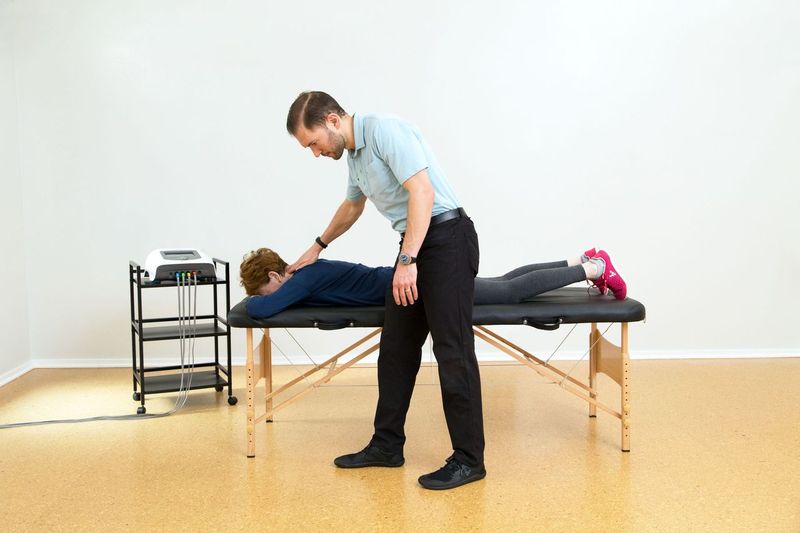
The nervous system plays a central role in injury, recovery, and long-term function. More clinics are now incorporating neuroplasticity-based approaches, like the NeuFit Method, to directly retrain the brain-body connection. Devices like the Neubie® allow therapists to stimulate the nervous system with direct current, helping accelerate recovery and improve outcomes in both orthopedic and neurological patients.
2. Telehealth and Hybrid Care Models
Virtual visits, remote coaching, and digital rehab platforms are becoming permanent fixtures in PT care. These tools allow therapists to stay connected with patients between sessions, monitor progress, and provide real-time adjustments to home exercise programs — improving both convenience and continuity of care.
3. Aquatic Therapy Innovations
Water-based rehab continues to expand with advanced underwater treadmills, resistance pools, and neurological aquatic protocols. These approaches provide a low-impact environment that supports joint health while safely challenging balance, proprioception, and coordination.
4. Data-Driven Personalized Care
Wearable devices, AI-powered assessments, and motion capture technology give therapists objective data on patient progress. By tracking strength, movement quality, and neurological input, therapists can tailor care plans with more precision, optimizing every session.
5. Pain Neuroscience and Mental Health Integration
Chronic pain isn’t always about tissue damage — often, it’s the nervous system stuck in a loop of overprotection. As research deepens, therapists are increasingly addressing both the physical and psychological contributors to pain, using education, graded exposure, and neurological stimulation to break the pain cycle.
6. Expanded Use of Advanced Electrical Stimulation
Traditional TENS units are being replaced with devices like the Neubie, which harnesses direct current to work with the nervous system’s natural signaling pathways. This approach helps optimize neuromuscular re-education, even in cases involving stroke, MS, or chronic pain.
7. Interdisciplinary Collaboration
Physical therapy is increasingly part of a larger care team that includes neurologists, psychologists, regenerative medicine providers, and functional medicine specialists. This team-based approach allows for more comprehensive care that addresses the full complexity of each patient’s condition.
How These Trends Benefit Patients
For patients, these emerging trends mean:
- Faster recovery times
- Better long-term outcomes
- Greater access to care (in-person and virtual)
- Personalized treatment plans
- Reduced pain and improved quality of life
By embracing both neurological science and technological innovation, physical therapists can empower patients to reach new levels of healing and independence.

Physical therapy in 2025 is not just about strength and stretching — it’s about harnessing the body’s built-in capacity for neurological change. With advanced tools like the Neubie, hybrid care options, and personalized data-driven protocols, therapists are transforming lives more efficiently than ever before.
For those ready to embrace these trends, the future of physical therapy is not only bright, it’s electrifying.
Interested in how the NeuFit Method can help you stay on the cutting edge? Explore how our neuro-based approach is helping clinics transform care and outcomes.


Related Blogs

Targeting the Neurological Response to Surgery-based Trauma
In prior blog posts, we’ve discussed how neuromuscular stimulation can improve the quality of recovery from an injury as measured […]
Evaluating the Effectiveness OF NMES Treatment For Neurological Conditions
So how do we determine whether this neurological approach is the right one for treating a particular neurological condition with […]

Neuroplasticity: Reprogramming Our Brain’s Software with Neurological Stimulation
In last week’s blog, we discussed how our survival instincts actually inhibit healing and performance because of how our brain […]